Lakenvelder (Lakedanzi)
Blue eggs from a striking silver-and-black bird
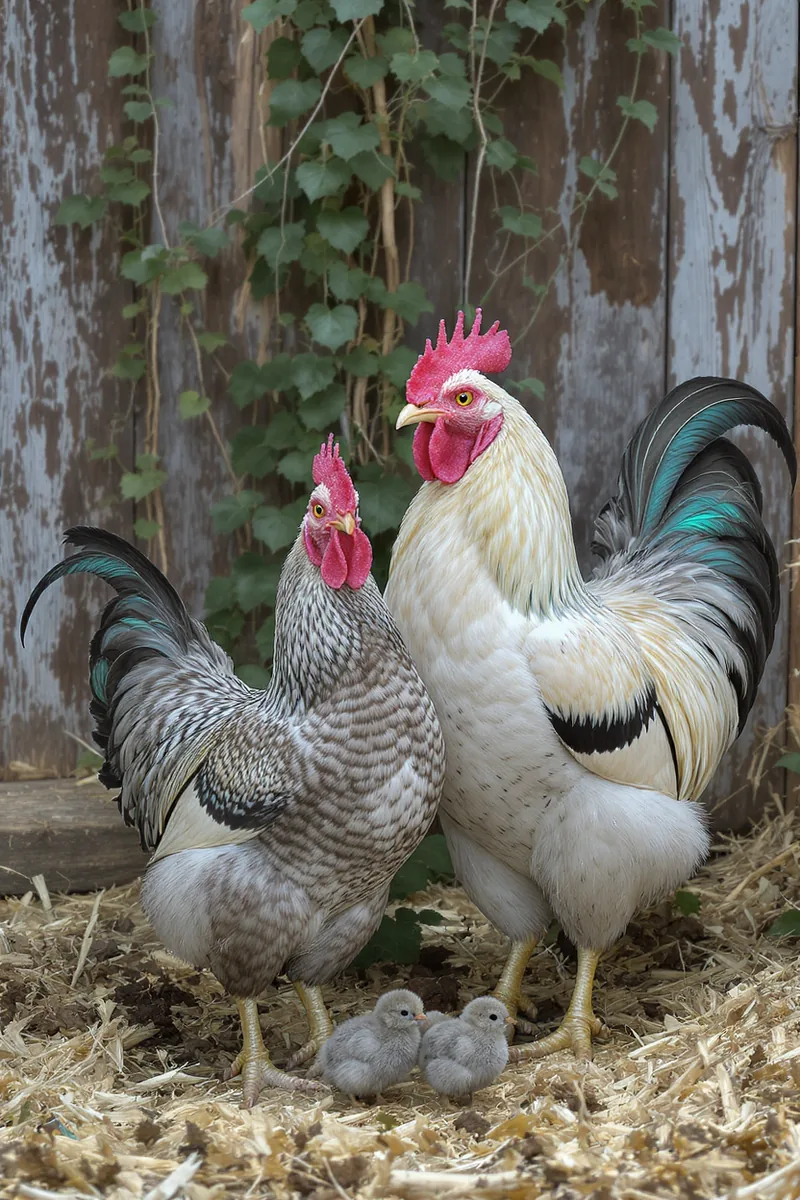
Blue eggs from a striking silver-and-black bird
The Lakenvelder (Lakedanzi) is a light, silver-and-black chicken best known for its blue eggs. The body is silver-white with bold black spangling, the neck hackles are white streaked with black, and the tail is dark and barred. A bright red single comb stands out against the light plumage.
Internationally this color pattern is known as the Lakenvelder type. The blue egg is what sets our birds apart from a standard Lakenvelder: the color is a pigment carried through the whole shell, the same trait behind other blue-egg breeds, and it is the reason we keep this bird at Jishiani Guli.
It is a small, light-framed bird, calm around people and an excellent forager. Raised on free range, it copes well with the Kakheti climate and suits a family smallholding better than an intensive shed.
| Hen weight | — |
| Rooster weight | — |
| Egg color | Blue |
| Eggs per year | — |
| Egg weight | — |
| Temperament | Calm |
| Cold hardiness | Good |
| Broodiness | Variable |
| Purpose | Egg-laying |
| Maturity (months) | — |
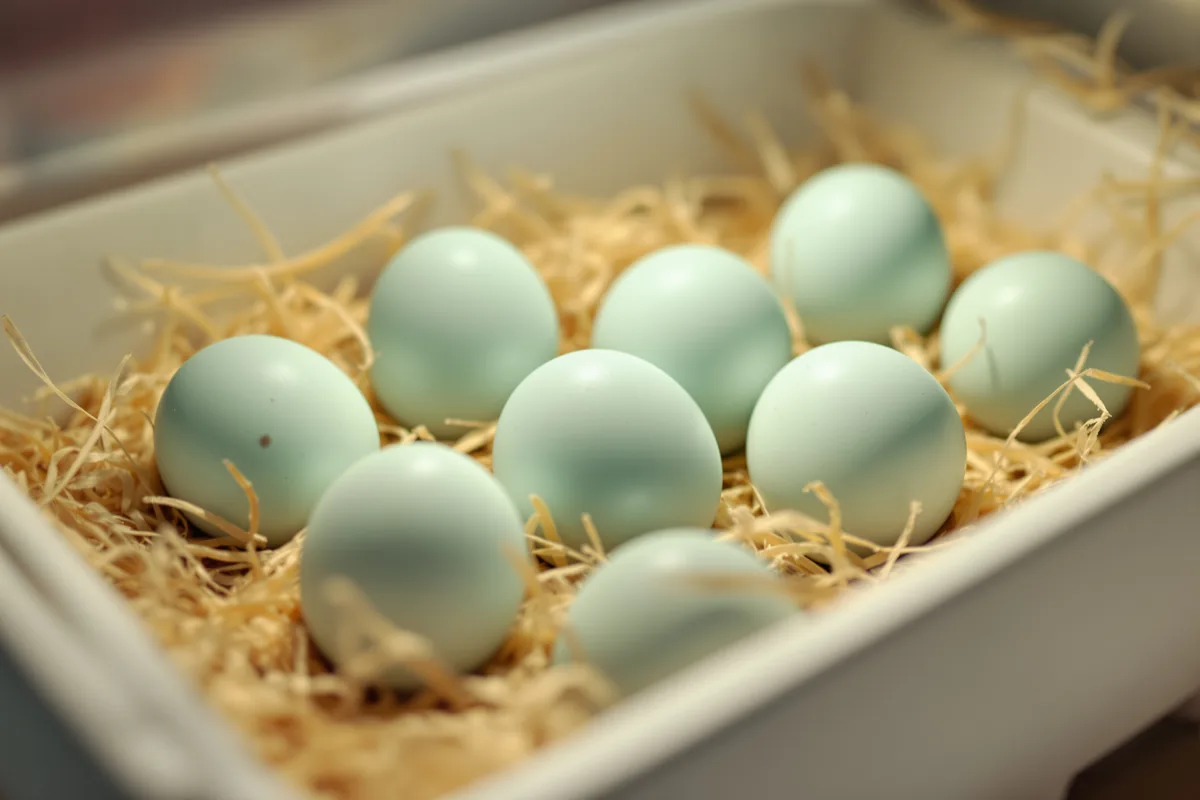
Lakenvelder (Lakedanzi) hens lay blue eggs. The color is genetic and runs through the whole shell rather than sitting on the surface; the exact shade varies a little from hen to hen.
Incubation: 21 days at 37.5°C, humidity 55–65%. As with any small landrace flock, egg output and the age at first lay vary bird to bird — ask us for the current figures from our own hens.
Lakenvelder (Lakedanzi) care is simple — this is a hardy, undemanding bird:
Jishiani Guli offers Lakenvelder (Lakedanzi) hatching eggs and three-week-old chicks from our family farm in Lagodekhi, Kakheti. The birds are raised on free range, eggs are collected fresh and shipped anywhere in Georgia, and we describe the bird for what it is — a light, silver-and-black chicken valued for its blue eggs.
Yes. The shell is blue, and the color is genetic — it runs through the whole shell and does not wash off. The exact shade varies a little from hen to hen.
A light, silver-white bird with bold black spangling, white neck hackles streaked with black, a dark barred tail, and a bright red single comb.
Yes. It is calm, hardy, an excellent forager, and light enough to range freely without much feed — a good fit for a family smallholding.
Hatching eggs are collected fresh and shipped nationwide, packed for transport. Three-week-old chicks are collected at the farm in Lagodekhi. Call: +995 591 515 082.